


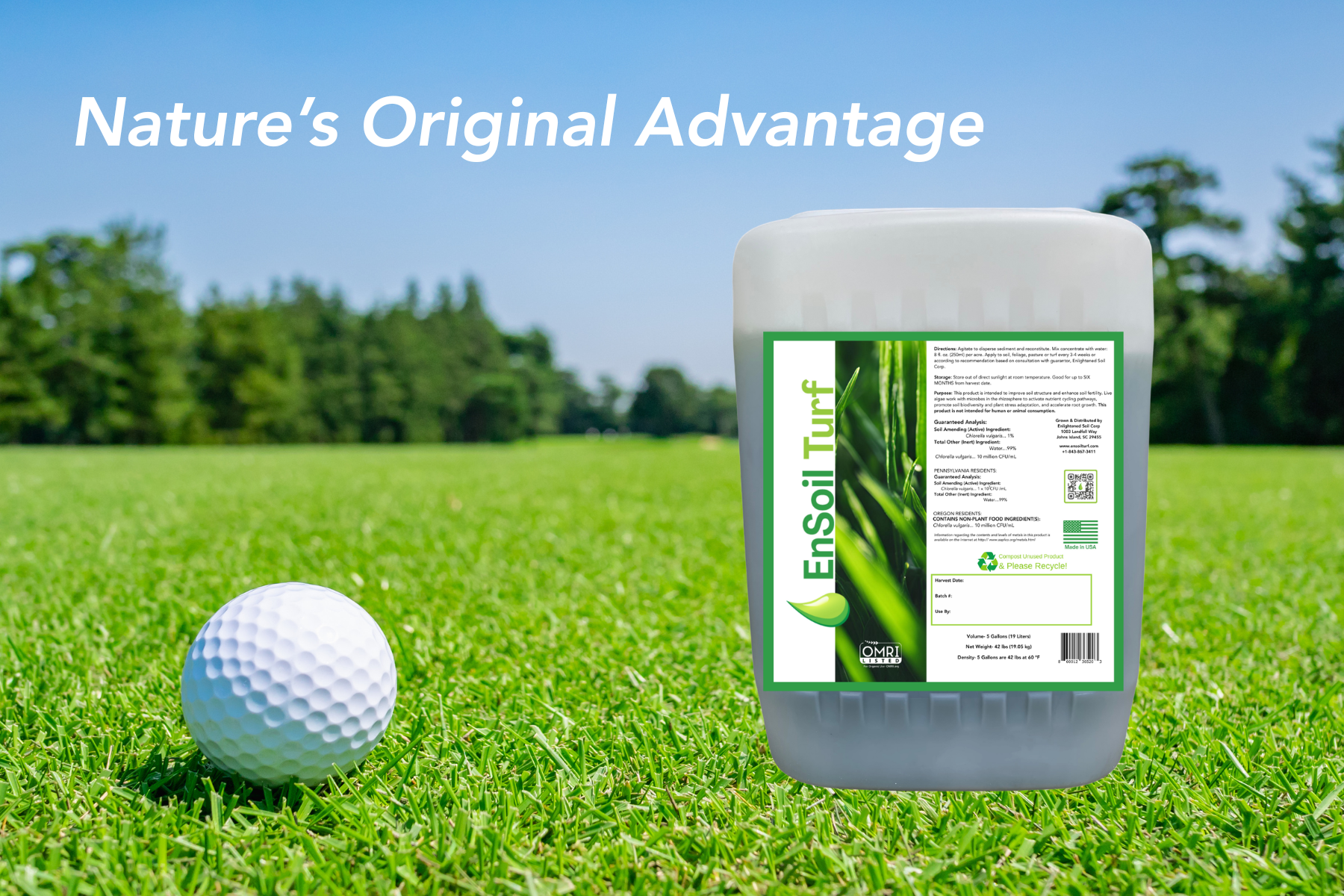


SCIENCE-BACKED LIVE CELL ALGAE INGREDIENTS
Transform Your Turf with Living Algae Technology
EnSoil Turf reduces synthetic chemical inputs by up to 80% while creating healthier, more resilient landscapes for municipalities, golf courses, universities, and athletic fields.
- OMRI LISTED FOR USE IN ORGANIC PRODUCTION IN THE U.S.
What is EnSoil Turf?
EnSoil Turf is a revolutionary soil amendment concentrate made from living Chlorella vulgaris algae. This solution is OMRI listed for use in organic production. It helps turf managers dramatically reduce expensive NPK fertilizer inputs while improving overall landscape health and water retention.
Perfect for:
- Municipal landscapes and parks
- Golf courses and country clubs
- University campuses
- Athletic fields and sports complexes
- Any organization transitioning to organic land management

OMRI Listed
Safe for people, pets, and the planet
Proven Results
Enhanced growth with fewer inputs
Cost Effective
Reduce expensive NPK fertilizer dependency
Why Choose EnSoil Turf?

Enhanced Plant Health
EnSoil Turf enhances photosynthesis by boosting chlorophyll directly in plants. This helps turf capture sunlight more efficiently, resulting in visibly greener, healthier grass that requires fewer chemical inputs.
Superior Water Management
Combat soil compaction and improve water retention naturally. Just a 1% increase in soil organic matter can hold up to 20,000 additional gallons of water per acre, significantly reducing irrigation requirements.
Natural Stress Protection
The living algae in EnSoil Turf strengthens plants' natural defenses against drought, salt stress, and other environmental pressures. Your turf stays healthier through challenging conditions.
Watershed Protection
Unlike traditional NPK fertilizers, EnSoil Turf doesn't dissolve into runoff that pollutes waterways. The particulate nature and micro-application rates ensure environmental safety.
Safe for Everyone, Everywhere
People & Pet Safety
Groundskeepers, athletes, families, and pets can enjoy treated areas without concern. EnSoil Turf may reduce exposure to synthetic inputs that can be absorbed through skin, inhaled, or accidentally ingested.
Regulatory Confidence
- OMRI Listed in U.S.
- Compliant with evolving NPK restriction policies
- May reduce liability concerns associated with synthetic fertilizers
Environmental Stewardship
Support your organization's sustainability goals while protecting local ecosystems. EnSoil Turf does not contribute to NPK runoff into watersheds.
![]()
The Science Behind Superior Results
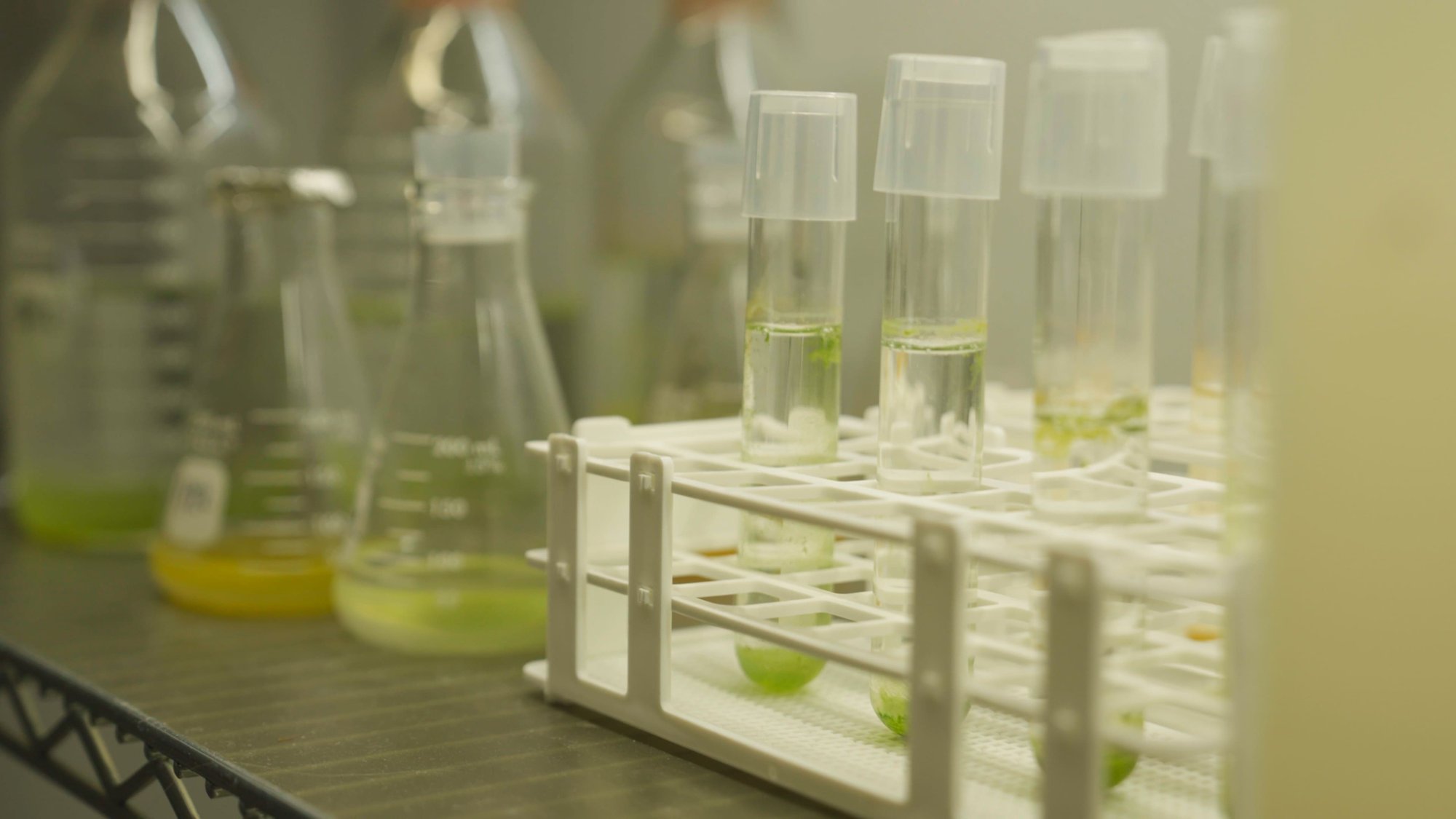
EnSoil Turf harnesses the power of living Chlorella vulgaris algae to create a fundamentally different approach to turf management. Unlike synthetic fertilizers that provide temporary nutrient boosts, our living algae technology works symbiotically with your soil and plants to create lasting improvements in health, resilience, and performance.

Photosynthesis Enhancement
EnSoil Turf works at the cellular level to optimize how plants convert sunlight into energy. Enhanced chlorophyll production means more efficient nutrient uptake and visibly improved turf quality.
- Direct chlorophyll enhancement
- Optimized nutrient uptake
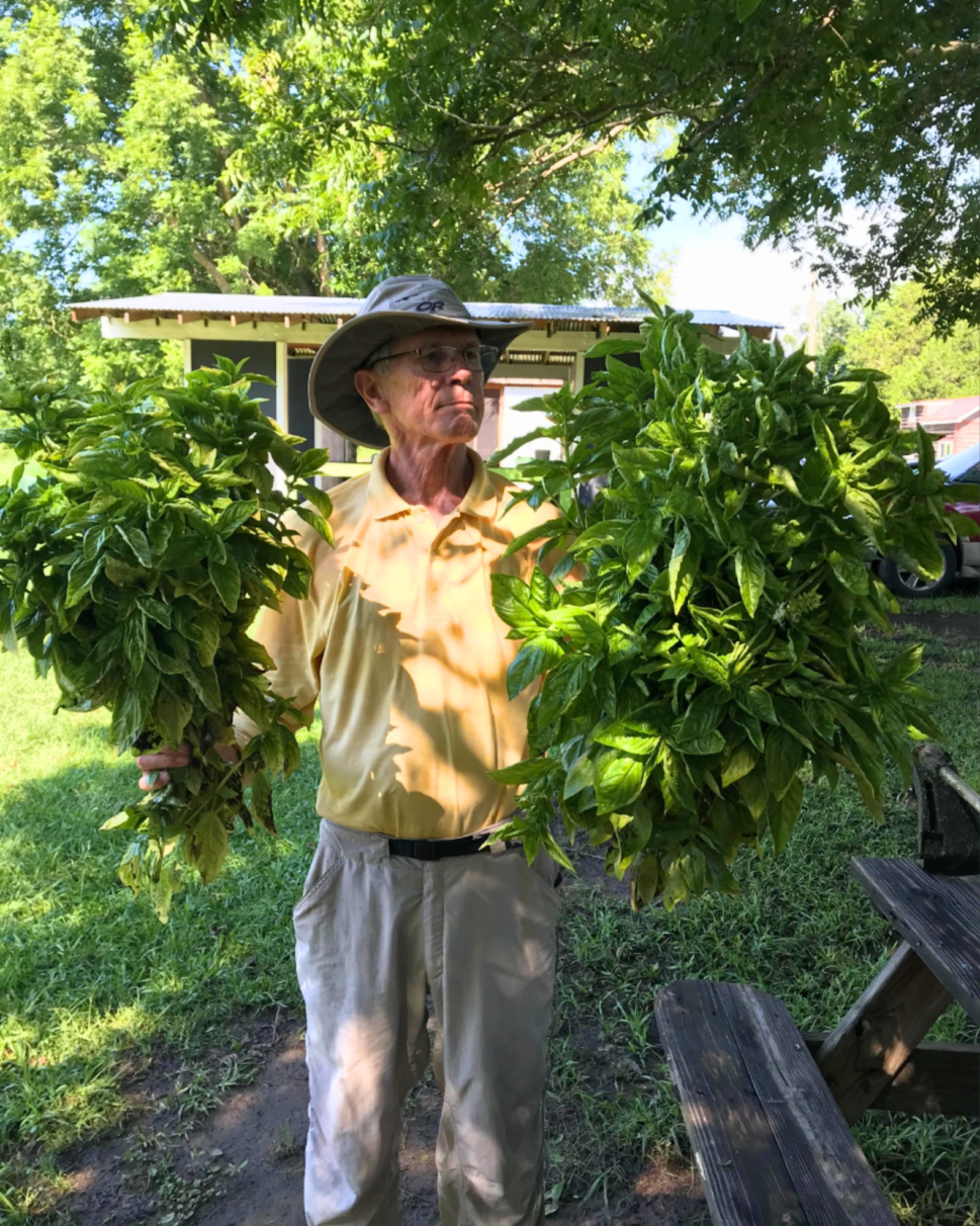
Soil Structure Improvement
Reverse decades of synthetic input-induced soil compaction. EnSoil Turf helps restore natural soil biology, improving:
- Water infiltration and retention
- Root development and nutrient access

Abiotic Stress Mitigation
The living algae provide natural antioxidants that help plants combat oxidative stress from environmental pressures like drought, heat, and salinity.
- Natural antioxidant protection
- Better resilience to heat and cold stress
Reduce Costs While Improving Results
Reduce Inputs & Save
EnSoil Turf may help reduce the amount of synthetic NPK fertilizer needed to maintain or improve turf quality.
Operational Efficiency
- Fewer NPK applications may be needed
- Can be mixed with other inputs
- May reduce labor costs
Long-term Value
Build soil health that compounds over time, reducing future input needs and creating more resilient landscapes that require less intensive management.